February 5, 2026
The construction industry is experiencing significant disruption due to the rise of smart building technology. These advancements promise improved energy efficiency, enhanced security, and greater convenience for occupants. This article explores the profound impact of smart building technology on electrical contractors, a critical segment in this technological transformation. Contractors are essential players in the integration of new technologies that enable smart buildings to function seamlessly. Understanding how they are adapting to this wave of innovation is crucial for comprehending their evolving roles and responsibilities.
The Evolution of Building Technology
Building technology has evolved rapidly over the past few decades, driven by technological breakthroughs and a demand for better living and working environments. The advent of smart buildings represents a culmination of these efforts, incorporating technologies like automation, advanced security systems, and efficient energy management. Traditional buildings relied on basic electrical and mechanical systems, but the introduction of smart technologies has transformed these frameworks entirely. With the integration of cutting-edge software and hardware, buildings can now communicate and optimize their functions autonomously. These technological advancements have reshaped not only the building landscape but also the responsibilities of those who design and maintain them.
Key Components of Smart Buildings
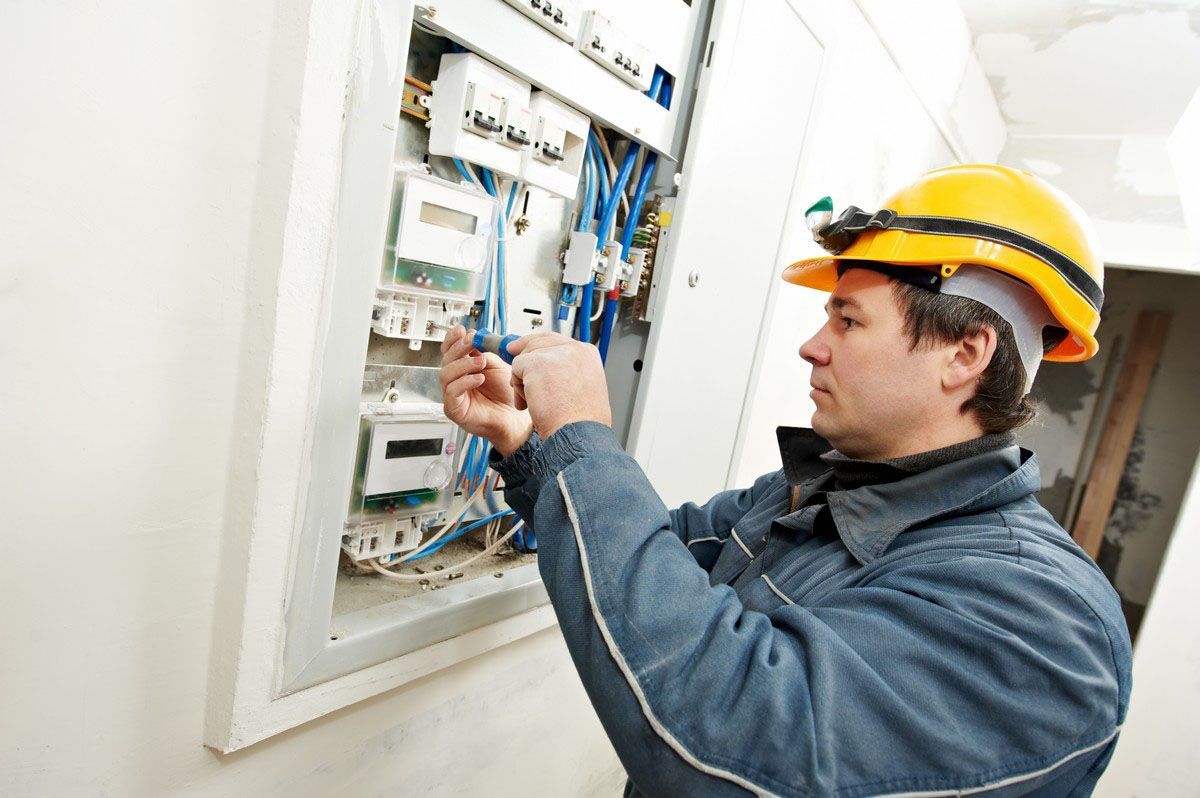
Smart buildings encompass several key components, each contributing to overall efficiency and functionality. Core technologies include advanced HVAC systems, automated lighting, smart meters, and integrated security systems. These components are interconnected through centralized control systems, often managed via building management systems (BMS). The goal is to create an ecosystem where different subsystems operate collaboratively to improve energy use, security, and comfort levels. Electrical contractors play a pivotal role in installing and maintaining these systems, ensuring that they work harmoniously to deliver the promised smart building benefits.
Integration of IoT in Smart Buildings
The Internet of Things (IoT) is integral to the operation of smart buildings, enabling devices and systems to communicate and work in synergy. IoT allows for real-time monitoring, data collection, and automated responses to changing conditions within the building environment. For instance, IoT sensors can detect occupancy in a room and adjust lighting and temperature settings accordingly, optimizing energy consumption. Electrical contractors must now have the expertise to install and service IoT devices, ensuring seamless connectivity and operation. This shift underscores the need for contractors to embrace both traditional electrical skills and modern technological competencies.
The Benefits of Smart Buildings
Smart buildings offer numerous benefits, making them increasingly popular among developers and property owners. They enhance energy efficiency by optimizing the use of resources, reducing waste, and lowering operating costs. Security is another significant advantage, with advanced surveillance systems and access controls providing better protection for occupants and assets. Additionally, smart buildings improve occupant comfort by creating personalized environments tailored to individual preferences. These benefits collectively contribute to a more sustainable and intelligent built environment, necessitating electrical contractors skilled in integrating and maintaining these systems.
Challenges in Smart Building Implementation
While the benefits of smart buildings are substantial, their implementation comes with its share of challenges. These include the complexity of integrating diverse technologies and ensuring compatibility between systems. There can also be high upfront costs, making it essential for stakeholders to understand the long-term savings potential of smart investments. Furthermore, the rapid pace of technological advancement means that systems can quickly become outdated, necessitating ongoing updates and maintenance. Contractors face the challenge of keeping up with these changes, requiring continuous education and adaptation to new tools and methodologies.
Role of Electrical Contractors in Smart Building Projects
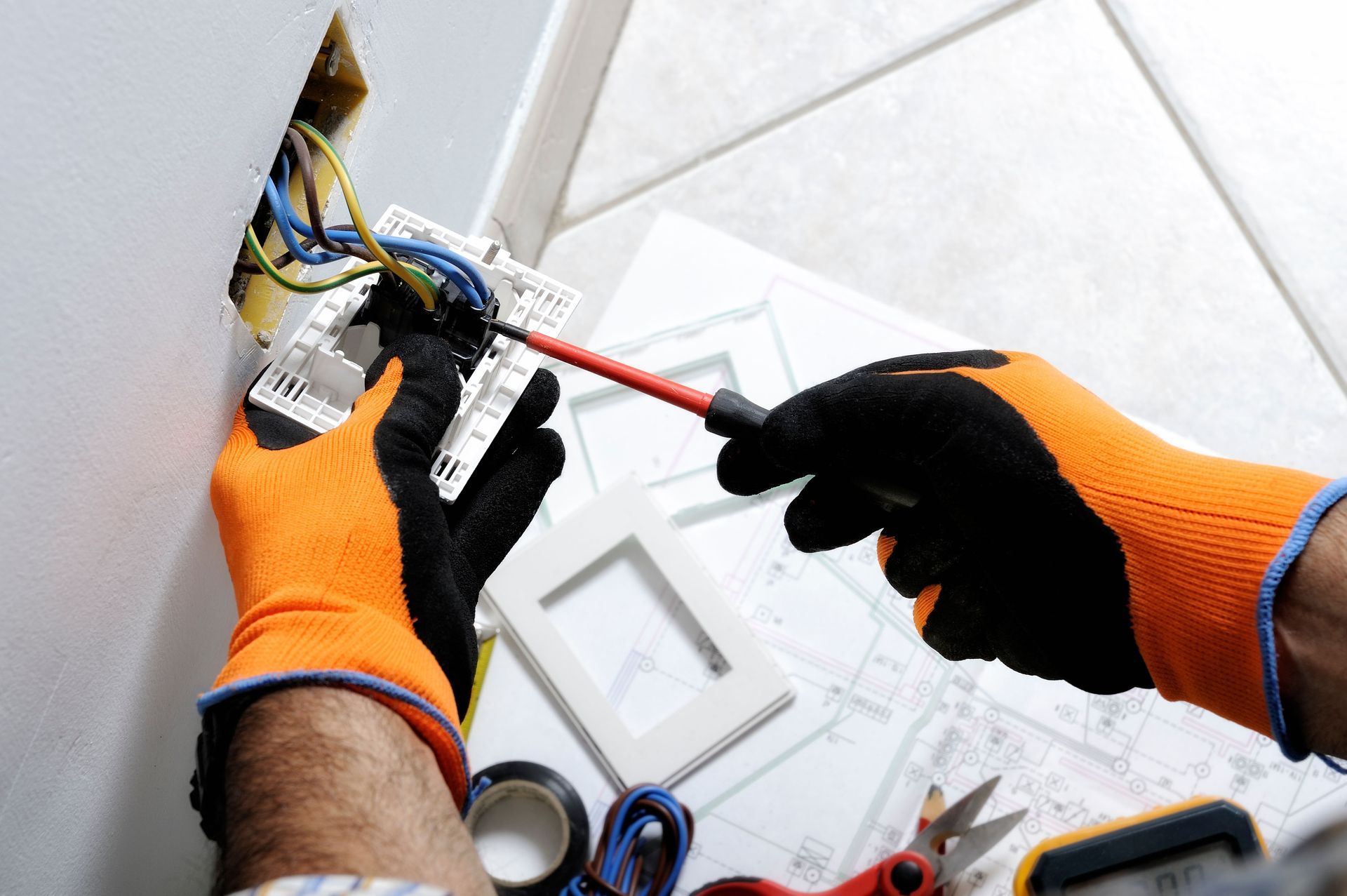
The rise of smart building technology is shifting the traditional responsibilities of contractors. Whereas their roles once focused on basic installations and repairs, today they must be adept at integrating complex automation and control systems. This new dynamic requires a blend of conventional electrical expertise and familiarity with digital technologies. As buildings become more interconnected, contractors must also ensure that data flows seamlessly between devices without security breaches. The broadening responsibilities reflect the need for electricians to evolve alongside technological advancements, positioning themselves as essential players in smart building construction and maintenance.
Specialized Training and Skill Sets
With the integration of advanced technologies, electrical contractors must pursue specialized training to remain effective in their roles. Training programs are increasingly incorporating modules that cover networking, cybersecurity, and system integration. Contractors must also be familiar with the software platforms that run smart buildings, such as those managing lighting, HVAC, and security systems. By expanding their skill sets to include these technologies, they can offer more comprehensive and relevant services to clients. According to Global Market Insights, the electrical maintenance and repair market was valued over USD 20 billion in 2024, highlighting the growing demand for skilled contractors.
Partnerships with Technology Providers
Forming partnerships with technology providers is crucial for contractors navigating the smart building landscape. These alliances enable contractors to gain access to cutting-edge technologies and industry insights. Collaborating closely with technology firms can also provide opportunities for custom solutions tailored to specific building needs. These partnerships often involve joint ventures, co-development of new tools, and shared training initiatives. By establishing strong relationships with technology providers, contractors can enhance their service offerings and stay competitive in a rapidly changing industry.
Navigating Legal and Regulatory Frameworks
In addition to technical challenges, electrical contractors must navigate complex legal and regulatory frameworks when working on smart building projects. Compliance with local, national, and international standards is essential to ensure safety and operational efficiency. Regulations often cover aspects like energy consumption, data protection, and environmental impact. Contractors must be well-versed in these areas to avoid legal issues and ensure the successful deployment of smart building systems. Understanding the regulatory landscape is an ongoing process, requiring contractors to stay updated on changes and emerging requirements.
Project Management in Smart Building Construction
Smart building projects demand advanced project management skills from electrical contractors, given the complexity and scale of such initiatives. Effective project management involves coordinating multidisciplinary teams, managing timelines, and ensuring system interoperability. Contractors must also handle the logistical challenges of integrating new technologies into existing structures. Additionally, they must manage stakeholder expectations and communicate progress effectively. By refining their project management approaches, contractors can increase the likelihood of successful outcomes in smart building construction.
Smart building technology is reshaping the construction industry, and contractors are at the center of this transformation. As buildings become more connected, automated, and energy efficient, the role of the contractor has evolved far beyond traditional wiring and installations. Today’s professionals must integrate advanced systems, manage complex technologies, and continuously update their skills to meet the demands of modern infrastructure. While the shift presents challenges—from technical complexity to regulatory compliance—it also opens the door to new opportunities for growth, specialization, and long-term relevance in an increasingly digital construction landscape. Those who adapt early are best positioned to lead the future of intelligent building development.
For property owners, developers, and businesses embracing smart building solutions, partnering with knowledgeable contractors is essential to ensuring seamless integration and long-term performance. And for contractors themselves, staying ahead of technological advancements is key to remaining competitive. Whether you’re planning a smart building project or looking to upgrade existing systems, work with experienced electrical contractors who understand the future of intelligent construction. Connect with Bright Light Enterprises today and take the next step toward a smarter, more efficient building environment.